
Flagler
Clearing Pros
Service Area · Flagler County & Neighbors

Land Clearing in Daytona North, FL

Acreage clearing on the Mondex grid — homesites opened, driveways built to outlast the wet season, palmetto pushed back for good reasons.

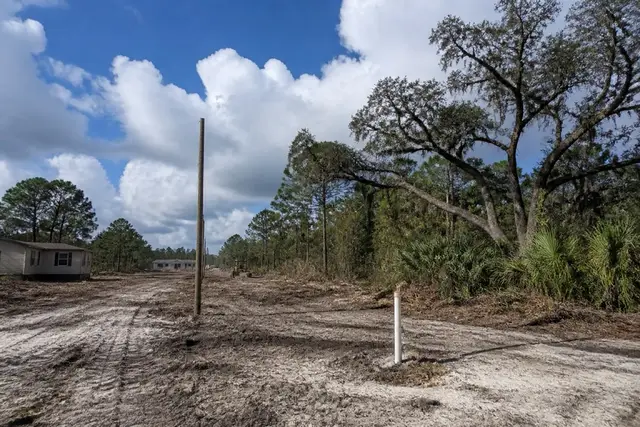
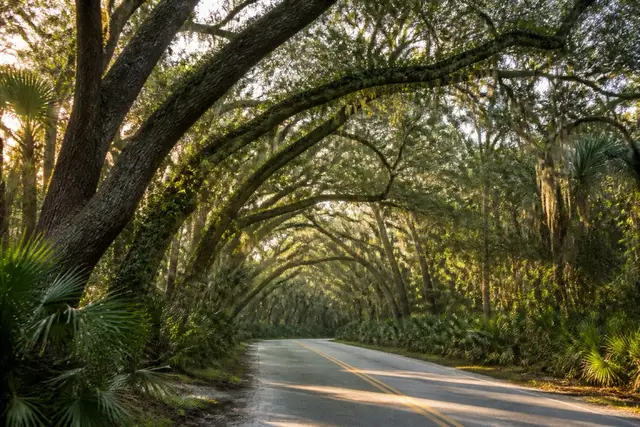
One-acre dirt-road lot in Daytona North mid-clear with palmetto giving way to pale sand and a power pole set at the road Live-oak canopy arching over a quiet two-lane road in The Hammock with backlit Spanish moss

Flagler Clearing Pros connects Daytona North property owners with a local land clearing contractor for forestry mulching, lot clearing, and site prep across the Daytona North area.

Daytona North — the Mondex, to everyone who lives there — is Flagler County's working-land answer to Palm Coast: an unincorporated grid of mostly unpaved roads west of Bunnell where lots run from a half acre up past an acre and owners do things with their ground. Clearing here is constant, practical, and unsentimental: homesites opened, driveways cut, pasture corners reclaimed, and palmetto pushed back so the land earns its keep.

The classic Mondex job is the raw-lot start: an acre of palmetto and planted-pine regrowth on a dirt road, cleared to a homesite pad with a driveway that survives the wet season, a well spot, and enough open ground for the animals, the garden, or the shop that's coming next. Machines love the scale — real acreage without the tight-street logistics of the city — and per-acre pricing lands better here than anywhere east of US-1.

The constraint everyone respects is water. This is flatwoods ground with a high summer table, the dirt roads themselves tell you what season it is, and a homesite graded without drainage thinking becomes a duck pond by July. Good Mondex clearing builds the pad up, pitches everything away from it, and treats the driveway's base and culvert as part of the job, not an afterthought.

Building on the grid the dirt roads made

Daytona North runs on its own logic: county-maintained through its special service district, unpaved by default, and priced into everything — including clearing, where trailer access on soft road segments is a real scheduling factor after rain. New homesites here coordinate with Flagler County for permitting, and the parcel's soil story — usually flatwoods sand with the water table close beneath — is previewable in the USDA Web Soil Survey before a single stake goes in.

Tortoises, burn piles, and Mondex habits

Two rule sets come up on nearly every Mondex clearing. First, gopher tortoises: the dry sandy rises out here are textbook burrow ground, and the FWC's permit framework governs any work within 25 feet of one. Second, fire: the rural tradition of burning cleared debris is legal here more often than in town, but it runs under Florida Forest Service authorization rules for pile size and setbacks — and mulching keeps gaining ground anyway because it skips the smoke, the tending, and the ban-season waiting.

Questions

What owners ask first

How much should clearing an acre on the Mondex run?

The Mondex gets the county's best per-acre economics: open access, workable scale, and straightforward flatwoods growth. Light palmetto-and-brush acres run toward the affordable end of Florida mulching rates; heavy pine regrowth and grubbing for a pad cost more. One walk-through prices the actual acre — and neighboring owners sometimes split mobilization by booking together.

Can you clear a homesite and build the driveway in one job?

That's the recommended package out here. The same mobilization clears the pad, cuts the drive, sets the culvert at the road ditch, and builds the base up to survive summer. Sequencing them together also means the drive is engineered for the construction traffic that follows — the concrete truck cares a lot more about your base than your car does.

When's the best season for Mondex clearing?

Late fall through spring, no contest. The ground is firm, the dirt roads carry trailers without drama, and growth is dormant. Summer work happens — tracked machines manage — but soft ground slows everything and rutting risk rises. If your timeline is flexible, aim dry season and the job runs faster and often cheaper.

Are gopher tortoises really an issue on these lots?

Commonly, yes. The Mondex's sandy rises are prime burrow habitat, and burrows hide under palmetto exactly where clearing is headed. The rule is simple: 25 feet of standoff, FWC permits before any work closer. A walk-through that finds and flags burrows first keeps your project legal and avoids the mid-job stop nobody prices for.

Can I burn what gets cleared on my property?

Often legally, with the Forest Service's rules followed — authorization for big piles, setbacks, attendance, and no burning during ban periods. Practically, most owners now choose mulching: no smoke drifting down the grid, no tending a pile for days, no waiting out a dry spell. The quote can price both routes so the decision is yours with numbers attached.

Free · Ground walked first · No obligation

Put a written number on that overgrowth.