 Flagler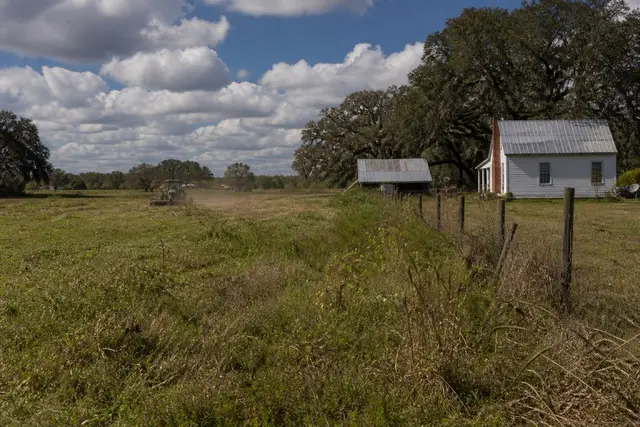
Flagler Clearing Pros connects Korona property owners with a local land clearing contractor for forestry mulching, lot clearing, and site prep across the Korona area.
Korona is the little community on US-1 south of Bunnell that Polish immigrant families founded in 1914, its name meaning "crown" and its Carpenter Gothic St. Mary church — now on the National Register of Historic Places — still marking the settlement's heart. The farms those families cut from the flatwoods set the pattern the area keeps today: small acreage, working ground, and owners who know exactly what they want their land doing.
Clearing around Korona serves that pattern. Field corners and old orchard ground reclaimed from myrtle and fennel, fence rows opened along US-1 frontage parcels, homesites cleared on acreage that's been in the same family longer than the county's been busy. The growth is standard flatwoods fare — palmetto, gallberry, volunteer pine — and it responds to the standard machines.
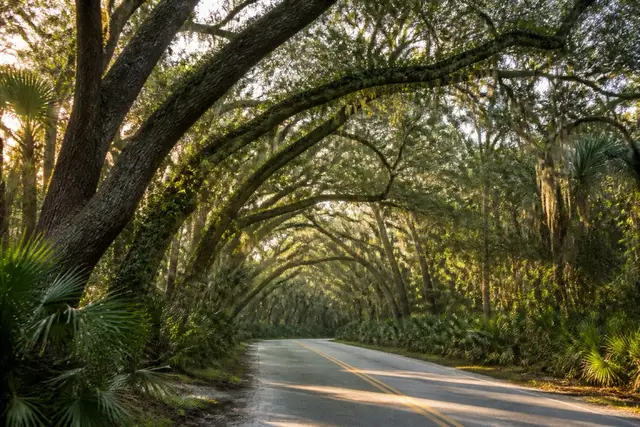
History sits lightly but genuinely here, and jobs respect it: century-old oaks planted by settler families stay standing, old structures get generous machine standoffs, and anything that looks like it belongs to the community's story gets asked about before it gets touched. It's a small courtesy that costs nothing and keeps faith with a place that earned its name.
A settlement built by clearing
Korona exists because families cleared flatwoods by hand a century ago — recruited from northern cities in 1914, they cut farms out of pine and palmetto and built St. Mary's the same year. The modern version of their work runs on machines but keeps the same logic: open ground earns, overgrown ground costs. County records and services for the area sit with Flagler County, whose population reached 115,378 by the 2020 count — growth that keeps steady demand on the machines.
Keeping reclaimed farmland reclaimed
The land around Korona demonstrates Florida's regrowth engine as well as anywhere: skip three mowing years and a field corner is myrtle thicket, skip ten and it's young woods. The maintenance arithmetic favors the calendar — an annual or biennial pass at light-mowing prices versus reclamation at multiples of it. Forage recovery after a knockdown follows the agronomy in UF/IFAS pasture publications, and the local growing season that powers all that regrowth is on full display in NWS Jacksonville's climate records.