 Flagler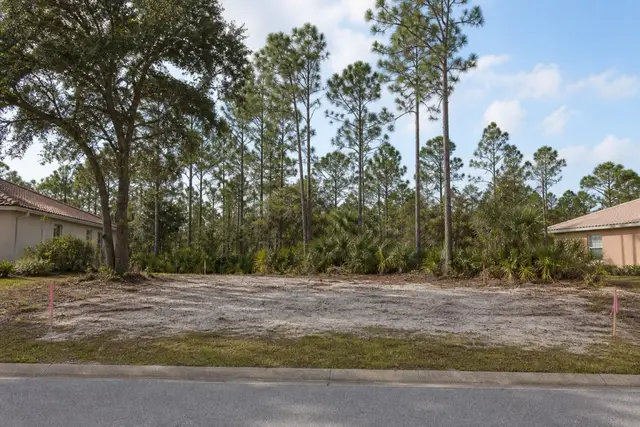
Flagler Clearing Pros connects Palm Coast property owners with a local land clearing contractor for lot clearing in Palm Coast and the Flagler County communities around it.
Palm Coast holds one of the country's great inventories of never-built residential lots. ITT platted tens of thousands of homesites into these flatwoods beginning in 1969, and half a century later, wooded parcels still sit between finished houses on nearly every street in the letter sections. Lot clearing is the job that moves one of them from pine-and-palmetto to a stake-ready building site.
The work runs in a sequence. Survey corners get located and flagged so the machine knows exactly where the neighbor begins. Protected trees and any tortoise burrows get identified and marked. Then the cut: understory mulched or grubbed, unprotected pines dropped and processed, stumps ground or extracted from the pad footprint, and the lot rough-graded so it drains to the swale the way the city's plat intended.
What makes Palm Coast different from clearing in the county's rural west is the rulebook. The city's land development code protects trees above size thresholds, and a vacant lot generally cannot be scraped bare outside an approved permit — what can come out freely, what needs city sign-off, and what must be preserved or replaced is a real distinction with real fines behind it. Builders know this; owner-builders often learn it the expensive way.
The payoff for doing it in order is a lot that appraises, sells, or permits cleanly. A parcel cleared with the paper trail intact — survey respected, protected trees documented, drainage preserved — moves through the city's process without the red-tag detours that improvised clearing invites.
The city's tree rules, in plain terms
Palm Coast's Land Development Code chapter on tree protection is the document that governs what a lot may lose. The shape of it: small-diameter growth and pines on a vacant residential lot can often be cleared while minimum tree densities are maintained, protected specimens above the size thresholds need a permit before they move, and clearing tied to construction is handled inside the building-permit process rather than as a separate approval. Barriers around preserved trees during the work are required, not suggested.
None of this is a reason to fear the process — hundreds of lots clear through it every year. It is a reason to have the walk-through done by someone who reads these rules weekly, flags the keep-trees before quoting, and prices the permit path instead of gambling on nobody noticing. Questions about a specific parcel go to the City of Palm Coast directly.
Pad, swale, and the water question
Every ITT-era block was engineered around the front swale — the shallow grass channel that carries stormwater along the street. A cleared lot has to keep feeding it: rough grading preserves the fall from the rear of the parcel to that swale line, and fill placed for the future pad gets shaped so the water sheds around the slab area rather than ponding against it. Botch this and the first summer storm season, which NWS Jacksonville tracks in daily thunderstorm probabilities from June onward, will point out the mistake in standing water.
Utility marking belongs in the sequence too — Florida law requires a call to 811 before excavation, and the letter sections carry buried phone, power, and water at the front of nearly every lot.