
Flagler
Clearing Pros
Service Area · Flagler County & Neighbors

Land Clearing in Favoretta, FL

Deep-woods clearing in old timber country — lanes, firebreaks, camps, and homesites cut through planted pine and palmetto.

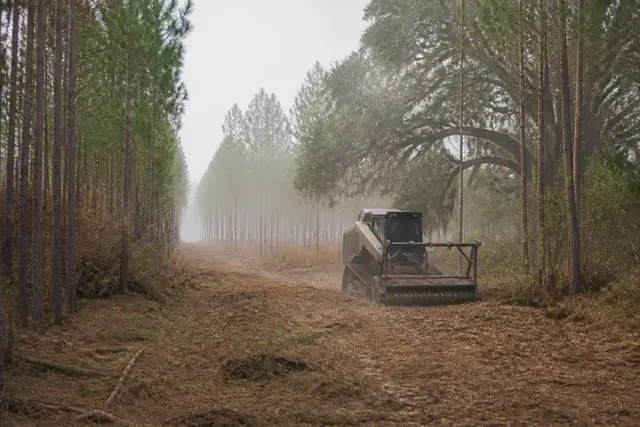
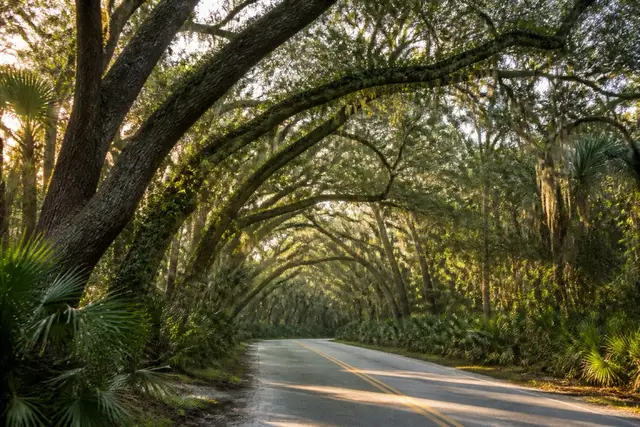
Mulcher opening a firebreak lane through planted pine rows near Favoretta with morning fog lifting between the trunks Live-oak canopy arching over a quiet two-lane road in The Hammock with backlit Spanish moss

Flagler Clearing Pros connects Favoretta property owners with a local land clearing contractor for forestry mulching, lot clearing, and site prep across the Favoretta area.

Favoretta is one of the names the timber era left on Flagler County's map — a deep-woods area west of US-1 toward the county's southern line, where lumber and turpentine operations once worked the pine and the railroad grade ran through. Today it's planted pine, hunting ground, and scattered rural parcels, and clearing here is woods work at its most straightforward: big growth, big quiet, and room for machines to earn their keep.

The jobs lean heavily to access and edges. Lanes cut and reopened through planted rows, firebreaks established and maintained, camp and homesite clearings carved out and kept, old logging trails recovered from a decade of regrowth. The ground carries the same flatwoods sand as the rest of the county's west, with wet-season softness in the low runs and firm going on the rises.

Old workings deserve a mention because machines find them: rail-grade berms in the undergrowth, relic iron from the timber decades, ditch lines that once drained somebody's operation. None of it stops a job; all of it rewards an operator who walks the route first and cuts the first pass high. Favoretta ground has history under the palmetto, and the careful version of clearing reads it as it goes.

Timber-country jobs and their rhythms

Working pine country runs on forestry's calendar and forestry's rules. Fire is part of the system — prescribed burns and debris burns both run under Florida Forest Service authorization, with mulched breaks and clean edges making every burn safer. Wildlife rules ride along in the sandy uplands: gopher tortoise burrows dot the dry rises out here, and the FWC's rules put a 25-foot standoff on every one until permits say otherwise.

Recovering access to deep parcels

Favoretta's parcels often sit at the end of routes that exist mostly in memory — old trails and grades gone to myrtle and vine. Recovery work reopens them at usable width, lifts the chronic wet segments with fill, and culverts the flow crossings so the lane survives summer. The soil and wetness picture along any proposed route is worth a preview in the USDA Web Soil Survey, and parcel and access questions for the area route through Flagler County.

Questions

What owners ask first

Can you reopen an old logging trail as my access lane?

Usually — the old alignments were chosen for good reasons and mostly still work. The recovery pass mulches the regrowth, re-establishes width and clearance, and fixes the two or three spots where water has owned the trail since it was last used. The result is a working lane on a historic route, which beats cutting new line through standing woods.

What should I know about clearing near the old rail grade?

That it's there, mostly. The berms read as long straight rises in the undergrowth, sometimes with relic iron nearby, and machines cross or work along them without drama once the operator knows the alignment. If a route can use the grade as its base, even better — the timber companies compacted it a century ago better than most modern lanes ever get.

Do you maintain hunting-land clearings and lanes?

Yes — food-plot edges, shooting lanes, camp clearings, and access loops are standard west-county work, usually on an annual cycle timed before the season. The machines make quick work of a year's regrowth, and a mapped scope means the same lanes come back every visit. It's the cheapest way to keep a lease or family ground actually usable.

How do wet-season lows affect jobs out here?

They set the route and the calendar. The low runs between rises go soft in summer and can stay soft weeks after the rain quits, so heavy work targets the dry months and routes pick the high ground where a choice exists. A walk in August teaches more about a Favoretta parcel's water than any map — though the soil survey comes close.

Is there cell service and access for crews out there?

Enough to work with planning. Deep parcels get scoped with the access route settled first — where the trailer parks, which gates need keys, who to call at the paved road if something needs hauling in. It's ordinary rural logistics, and it's exactly why quotes for deep-woods parcels come from a site visit instead of an aerial photo.

Free · Ground walked first · No obligation

Put a written number on that overgrowth.