
Flagler
Clearing Pros
Service Area · Flagler County & Neighbors

Land Clearing in The Hammock, FL

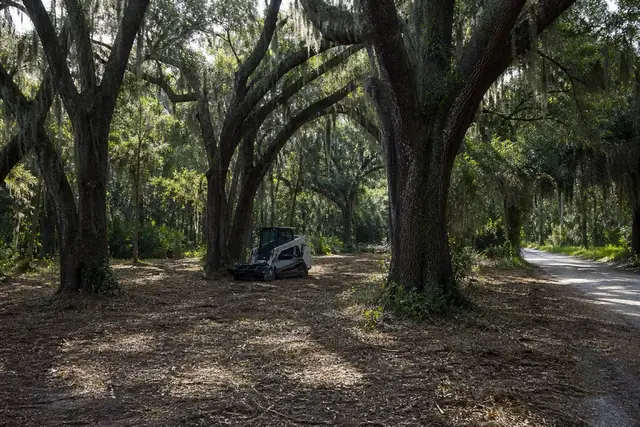
Understory clearing beneath the live-oak canopy — palmetto and vines out, every oak standing, the Hammock's cathedral light restored.

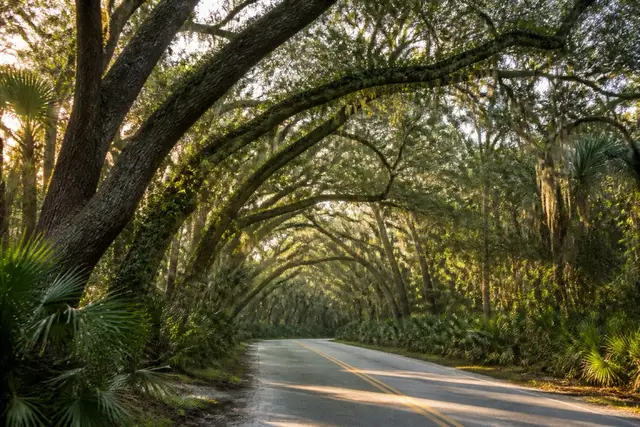
Compact machine mulching palmetto understory between massive Spanish-moss-draped live oaks on an unpaved lane in The Hammock Live-oak canopy arching over a quiet two-lane road in The Hammock with backlit Spanish moss

Flagler Clearing Pros connects The Hammock property owners with a local land clearing contractor for forestry mulching, lot clearing, and site prep across the The Hammock area.

The Hammock is the barrier-island stretch between Palm Coast's bridges and the Marineland line, where wind-sculpted live oaks close over the old two-lane and Spanish moss hangs into the light. It is the one part of Flagler County where clearing means the opposite of clearing: the canopy is the asset, and the work is everything underneath it.

Understory management is the signature job. Palmetto, vine tangle, and scrub fill the ground layer beneath the oaks until parcels turn impassable; a compact mulcher — or hand tools where roots and trunks demand it — takes that layer out while every oak stands untouched. The finished look is the one the Hammock is famous for: cathedral canopy, dappled light, walkable ground.

Oak roots make this careful work. Live oak root zones spread far past the drip line and resent compaction, so machines route around the critical zones, work lighter beneath them, and leave the root flare unburied. Anyone quoting Hammock work who talks acreage rates before walking under your oaks has already told you what you need to know.

The canopy rule: oaks are not on the menu

The maritime hammock that names this community is a recognized and increasingly rare natural system — coastal live oak, magnolia, and cabbage palm over a shaded understory — and mature oaks here are protected by local code besides being the whole value of the ground they stand on. Work beneath them follows arborist-grade practice: no cuts into the canopy trees, no grade change over root zones, machine traffic routed and lightened. Guidance on protecting trees during land work is available through UF/IFAS extension publications, and the county's rules for the barrier island route through Flagler County.

What lives in a Hammock understory

Beneath the oaks, the ground layer mixes native palmetto and shade scrub with the usual invaders — Brazilian pepper at the sunny edges, air potato vine where anything disturbed the soil. The UF/IFAS invasive plant center profiles both, and the distinction matters because the invasive fraction gets treated, not just cut, or it returns owning a larger share. Gopher tortoises dig the drier openings here as everywhere in the county, so the FWC burrow rules ride along with every understory job.

Questions

What owners ask first

Can you clear my Hammock lot without touching the oaks?

That's the only way it's done. The understory — palmetto, vines, scrub — comes out with compact equipment and hand finishing while the oaks stand exactly as found, root zones respected and flares unburied. The before-and-after difference is dramatic anyway: most owners are surprised how much parcel they own once they can walk it.

Why is understory work priced differently than open-lot clearing?

Because the machine can't just drive lanes. Working between protected trees means routing around root zones, lighter passes, more hand labor at the trunks, and debris handled in smaller bites. Per square foot it runs above open-flatwoods rates — and it's still the best money on the island, since the canopy it protects is most of the property's value.

Will clearing the understory hurt the oaks' health?

Done correctly, it usually helps the picture: deadwood and competing scrub come out, the root flare breathes, and storm inspection becomes possible. The cautions are compaction and grade change over roots — both avoided by routing and by leaving the natural grade alone. Anything that looks like a canopy or root problem gets flagged for an arborist rather than improvised.

What about the vines hanging through everything?

Vines get cut at the ground and pulled where they release easily; what's wound into the canopy is left to die back rather than ripped, which protects the branches. Air potato and other invasive climbers get the treated-cut approach so they don't re-sprout from bulbils and roots. A vine-choked parcel usually needs one follow-up visit the next season to catch the survivors.

Do Hammock jobs need permits?

The understory work itself usually doesn't, but anything involving protected trees, grade change, or parcels edging conservation land can — and the barrier island answers to county rules that differ from Palm Coast's city code across the bridge. The contractor confirms the parcel's situation before quoting; it's a records check, not a research project.

Free · Ground walked first · No obligation

Put a written number on that overgrowth.