
Flagler
Clearing Pros
Service Area · Flagler County & Neighbors

Land Clearing in Ormond-by-the-Sea, FL

Beachside-strip clearing under county rules — block-home yards reclaimed from salt-sheared scrub, palms kept, dune face untouched.

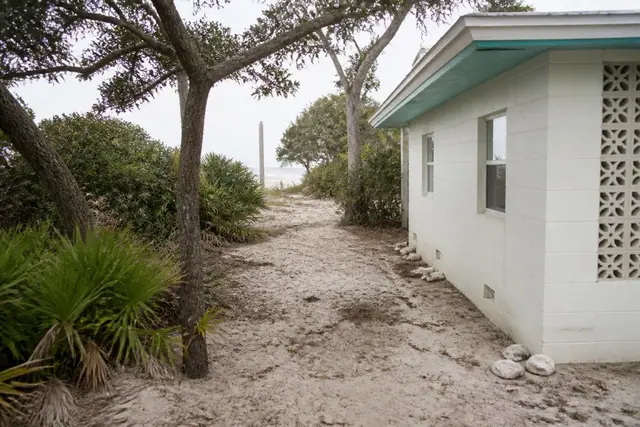
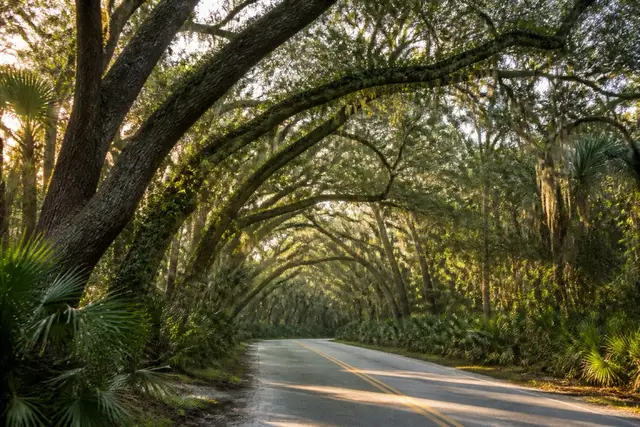
1960s concrete-block beach home in Ormond-by-the-Sea with its overgrown side yard cleared back to sand and salt-pruned scrub oaks trimmed Live-oak canopy arching over a quiet two-lane road in The Hammock with backlit Spanish moss

Flagler Clearing Pros connects Ormond-by-the-Sea property owners with a local land clearing contractor for forestry mulching, lot clearing, and site prep across the Ormond-by-the-Sea area.

Ormond-by-the-Sea is the unincorporated beachside strip north of Ormond Beach proper — 7,312 residents at the 2020 census living between the Atlantic and the Halifax River, in a stock of 1960s-era concrete-block beach homes on compact lots with no city hall of their own. Clearing here is Volusia County-rules coastal work: modest scopes, salt-tough vegetation, and the same dune discipline that governs the whole barrier strip.

The signature job is the beach-block side yard: decades of salt-pruned scrub oak, palmetto, and myrtle grown into a mat around a block house, cleared back to usable yard with the character palms kept and the dune face untouched. Compact machines handle the cutting; the logistics are neighborly — tight streets, close houses, one-day scopes.

Because the strip is unincorporated, permitting questions go to Volusia County rather than a city desk, and the coastal rules — dune protection above all — arrive from the state level regardless. A contractor who works this stretch keeps both in frame, and the practical version for owners is simple: the yard side of the vegetation line is workable, the dune side is not.

Unincorporated, not unregulated

No city hall doesn't mean no rules: Ormond-by-the-Sea answers to Volusia County's development code, and the coastal strip carries state-level dune and beach protections on top. In practice the county governs what a parcel may clear and the state's coastal rules set the seaward boundary — the dune system and its vegetation stay whole. Forecast and storm-surge context for this exposed strip comes from NWS Melbourne and the National Hurricane Center, and both explain in one storm season why the dune line is sacred here.

Block-home yards and their fifty-year gardens

Many of these lots have grown continuously since the houses went up in the 1960s, and the accumulated vegetation is a mixed inheritance: character palms and sculpted oaks worth keeping, plus scrub mat, vine tangle, and the invasive fraction — Brazilian pepper especially — worth removing properly. The UF/IFAS invasive plant center covers the identification, and the cut-and-treat discipline covers the permanence. The finished yard keeps its coastal character and loses its jungle.

Questions

What owners ask first

Who issues permits for clearing in Ormond-by-the-Sea?

Volusia County — the strip is unincorporated, so county development rules govern, with state coastal protections layered on the ocean side. Most modest yard-reclamation scopes proceed without drama, but tree removals and anything near the dune line get checked against the rules first. The contractor confirms your parcel's situation before the quote is final.

Can you open up my ocean view without breaking dune rules?

Sometimes, within hard limits: selective thinning landward of the dune system can improve sightlines, but the dune face and its vegetation are protected, full stop. What's realistic gets determined at the walk-through with the boundaries flagged. A quote that promises a view by cutting the dune is a quote to walk away from.

Why is my small side yard quoted as a full machine day?

Fifty years of salt-sheared growth packs astonishing density into small footprints — a mat of interlocked oak, myrtle, and palmetto that cuts slowly and produces a big debris volume for the area involved. Add compact-machine logistics on tight streets and the honest quote is a day. The transformation, to be fair, is also a full day's worth.

What happens to the debris on these tight lots?

Hauled, almost always — there's no room to leave a mulch layer on a beach-block lot, and the finished look owners want is clean sand and kept plants. Material gets processed compact, loaded, and gone the same day, with the street swept behind the trailer. On the rare larger parcel, chips can stay where a buffer suits them.

Do you serve the whole strip up to the Flagler line?

Yes — the strip runs naturally into this site's home territory at the county line, and the same request form covers both sides. Vegetation and rules stay consistent along the barrier: county code on the land side, dune protection on the ocean side, and salt-toughened growth everywhere in between.

Free · Ground walked first · No obligation

Put a written number on that overgrowth.